Waipara Valley Wine Region Explained: Limestone, Grapes And Styles To Taste On A Wine Day
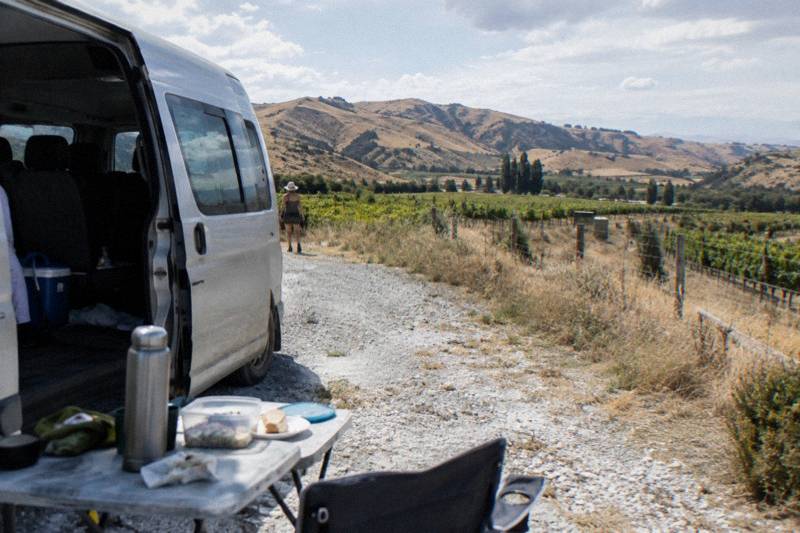
The Waipara wine region is a compact, family-owned stretch of North Canterbury where limestone clays, river gravels and a long, cool growing season produce Pinot Noir, Chardonnay and prominent aromatic whites, all about an hour's drive north of Christchurch.
Short answer
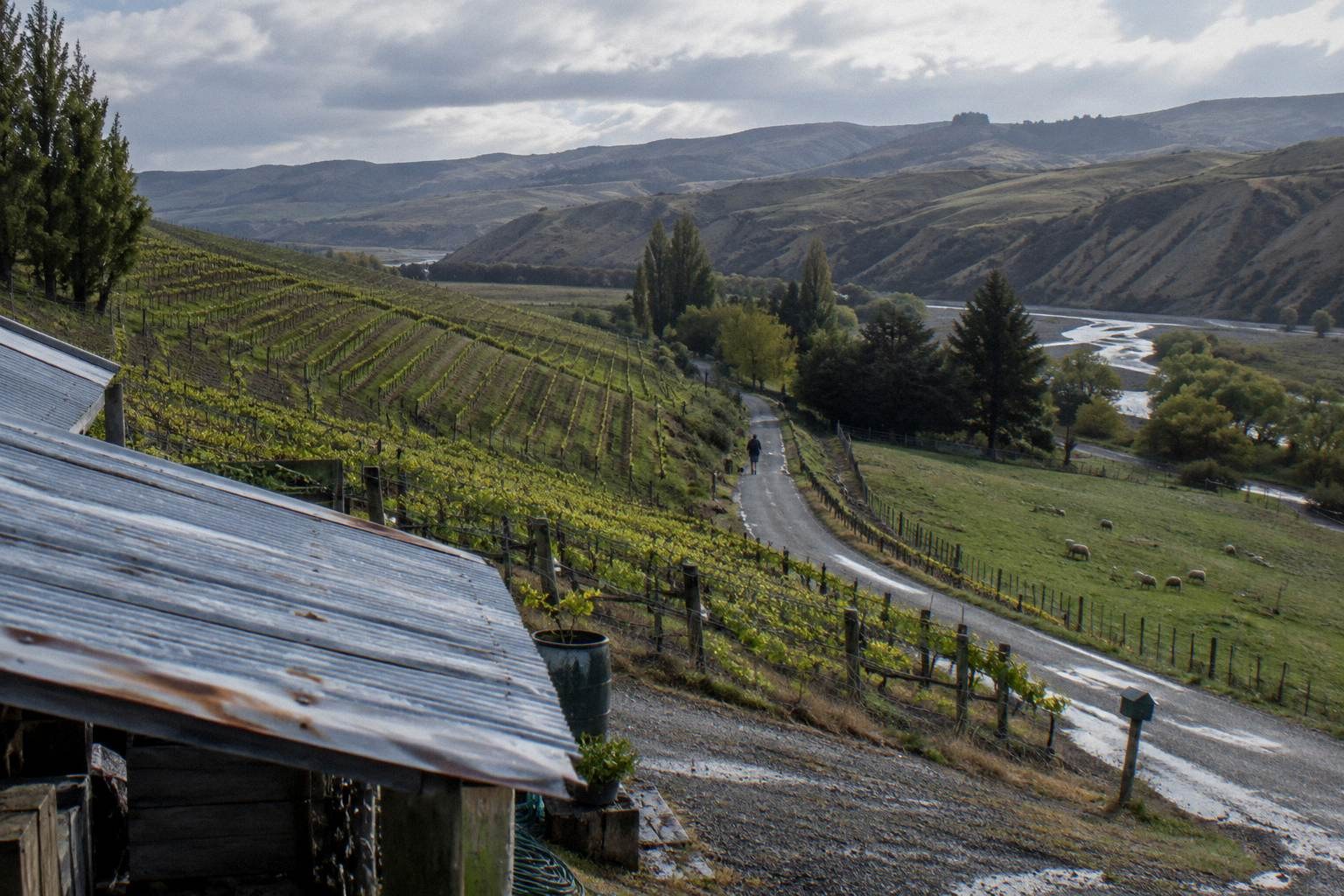
The Waipara wine region sits in North Canterbury, home to 90+ vineyards, most independently family owned, covering about 3% of New Zealand's vineyard area. Gravels and limestone-derived clays plus a cool, dry climate with a long growing season make Pinot Noir, Chardonnay and aromatic whites, with Riesling prominent, the styles to ask for on a wine day.
Ninety-plus vineyards, most of them independently owned by local families, run along a stretch of North Canterbury that spans nearly 200km of the South Island's eastern coastline. That is the official description from the regional wine body, and it captures the two things that make the Waipara wine region different from the larger, better-known districts elsewhere in the country: scale and ownership. This is a region of small holdings and close-knit families rather than corporate estates, tucked into a valley about an hour's drive north of Christchurch.
For a visitor, the practical effect is that a single well-planned day can cover a genuine cross-section of what the region grows. The purpose of this primer is to explain why the valley's soils and climate produce the wines they do, and to translate that into a short list of styles worth asking a guided day to pour. If you are comparing tours rather than regions, the companion piece on choosing a private or small-group winery tour covers that decision separately.
What Is The Waipara Wine Region?
The Waipara wine region is the North Canterbury wine country centred on the Waipara Valley, about an hour's drive north of Christchurch, containing 90+ vineyards that are mostly independent and family owned. New Zealand Winegrowers puts all of North Canterbury at about 3% of the country's vineyard area, so this is a small, specialist region rather than a volume one. The regional body describes the wider area as home to those 90+ vineyards, "most of them independently owned by a close-knit community of local families", and the official regional site paints a picture of a place where the people pouring your tasting are frequently the people who grew the grapes.
That family scale matters when you are planning a visit. In bigger regions a cellar door can feel like a showroom staffed by rotating hosts; in Waipara the person behind the counter often has a direct line to the winemaker, and on some experiences, such as the winemaker-led tasting at Georges Road, the winemaker is the host. The region's official site is the place to browse the full vineyard list before you commit to a day, and North Canterbury Wines keeps the current producer directory.
Geographically the region is defined by the Waipara and Waikari valleys, whose clay and limestone soils are the signature that growers and the regional body both lean on. The North Canterbury wine region spans nearly 200km of the South Island's eastern coastline, with the Waipara Valley as its best-known pocket, around an hour's drive north of Christchurch.
| Region fact | Who states it | What it means for a visitor |
|---|---|---|
| 90+ vineyards, mostly independent and family owned | Official regional site | Small holdings, personal cellar doors, tastings often poured by people close to the wine |
| Nearly 200km of eastern coastline spanned by North Canterbury | New Zealand Winegrowers | The region is bigger than the Waipara Valley alone; a day trip realistically covers the valley |
| About 3% of New Zealand's vineyard area | New Zealand Winegrowers | A specialist region, so styles matter more than volume brands |
| About an hour's drive north of Christchurch | Regional body and operators | A wine day fits comfortably without an overnight stay |
For readers new to the valley's cellar doors, the area-by-area introduction to Waipara wineries and cellar doors maps the names against where they actually sit.
Why Limestone And Gravel Matter In The Glass?
The valley's vines grow in gravel deposits laid down by the Waipara River on the flats and limestone-derived clays on the hillsides, a combination the regional body and New Zealand Winegrowers both single out. Gravels drain freely and warm early; limestone clays hold water and suit Pinot Noir, which is why the region's signature red thrives on the hillsides rather than the flats. It is a two-soil region in a way few visitors expect, and you can see the change in the ground surface as a tour van climbs from the valley floor toward the hillside plantings.
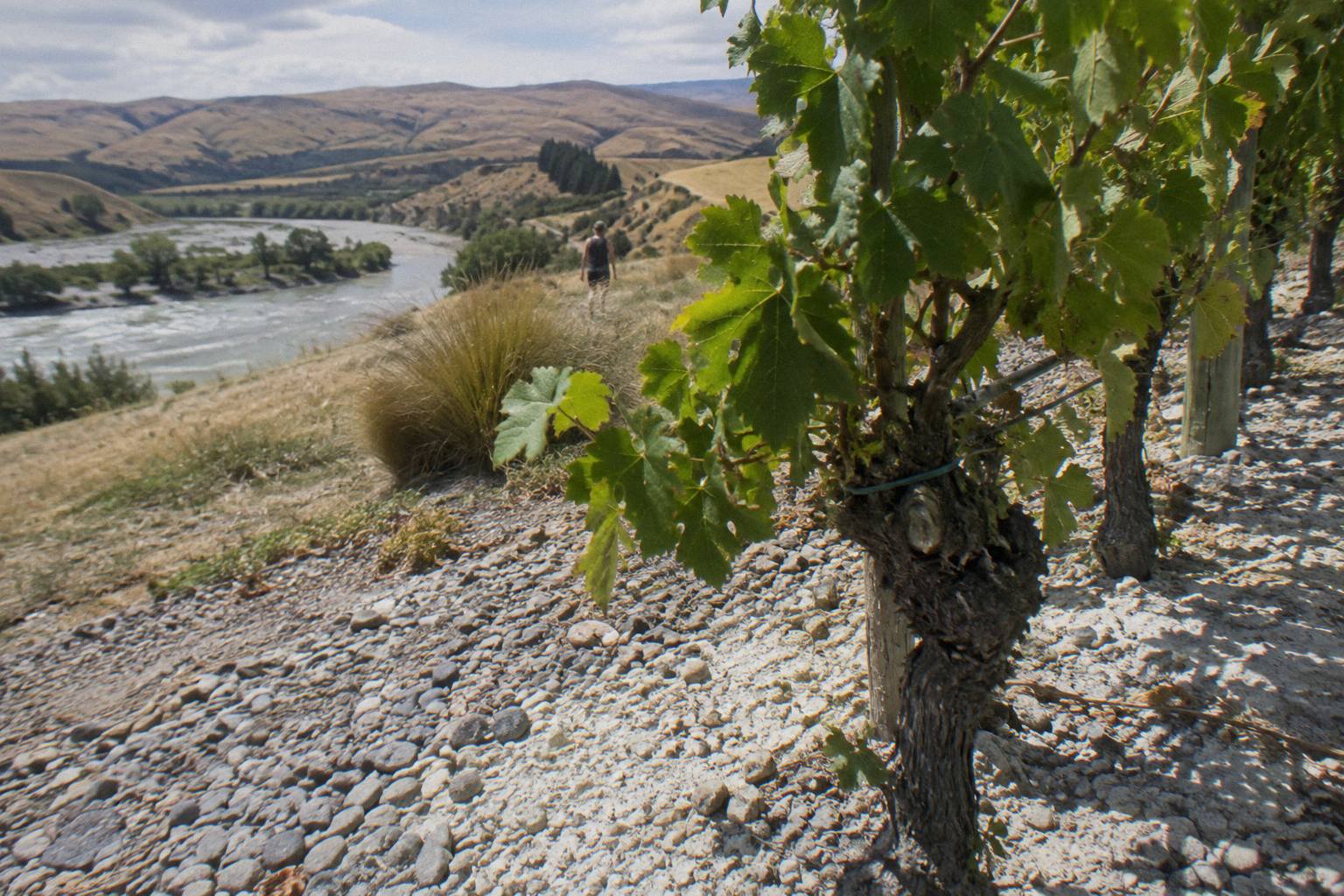
New Zealand Winegrowers' regional profile describes "gravel deposits from its eponymous river plus limestone-derived clays on the hillsides which suit Pinot Noir", and the regional wine body separately describes "clay and limestone soils of the Waipara and Waikari valleys". Two independent official sources, the same message: this is limestone country, and the red wine that grows on it is the region's anchor variety. The practical translation for a visitor is simple. When a cellar door host talks about a hillside block, they are usually talking about the clay limestone that suits Pinot Noir, and when they talk about the flats, they usually mean the river gravels that suit the aromatic whites the valley is also known for.
Soil is also a useful question to bring to a guided day. A guide who works the valley weekly can usually tell you which cellar doors sit on which soil, and asking "which of today's stops is on the limestone?" marks you as a reader of the region rather than a passenger. The shared and private days listed below all visit working cellar doors where that conversation is welcome.
A useful follow-up read on style is the site's guide to Pinot Noir, Riesling and Chardonnay in Waipara, which takes the same soil logic down to the level of individual varieties.
What Does A Cool, Dry Climate Do To The Grapes?
New Zealand Winegrowers describes North Canterbury's climate as cool and dry with good sunshine and a long growing season, conditions that ripen grapes slowly and hold their acidity. Slow ripening is why the region is known for fine aromatic wines and structured Pinot Noir rather than big, soft reds, and it is the climate fact most worth knowing before a tasting. The same profile notes the drying nor'wester wind can challenge growers, a hazard that shapes vineyard work every summer even if it never touches your visit.
Cool-climate wine is not a marketing term here, it is a description of what lands in the glass. Grapes that ripen over a long, slow season accumulate flavour while retaining acid, which is what gives aromatic whites their lift and Pinot Noir its structure. In warmer regions the same varieties come out broader and softer; in Waipara the regional signature, per New Zealand Winegrowers, is "Pinot Noir, Chardonnay and fine aromatic wines". If your palate runs to heavy, plush reds, this is the region to adjust expectations for before you book, and if it runs to Riesling and Chardonnay, you are in the right valley.
The nor'wester deserves a sentence of honest treatment. It is a warm, dry föhn wind that rolls off the Southern Alps, and New Zealand Winegrowers flags it as a challenge for growers in this region. For a visitor it mostly shows up as a cloudless, windy afternoon, and on a guided day it is one of the things a driver-guide watches when planning the route and lunch stop. It does not affect tour schedules in any way the booking pages mention, so treat it as colour rather than a planning problem.
Wondering which wines your own day should open with? The shared Wine Trail With Lunch, 4.5 from 514 reviews, from NZ$199 per person, pours at least 15 different wines across three cellar doors chosen from a list the booking page names, which makes it a fast way to taste the region's spread in one afternoon.
Which Wine Styles Should You Ask A Waipara Day To Pour?
The official styles are Pinot Noir, Chardonnay and fine aromatic wines, with Riesling prominent in the Waipara Valley per New Zealand Winegrowers. The booking pages for tours in the valley add Gewurztraminer, Pinot Gris and Verdelho to the aromatics list, plus port-style wines at Torlesse, so a well-chosen day can cover one red and four or five white styles without repeating itself. Styles are named here as the sources state them; no tasting notes or vintage claims are made.
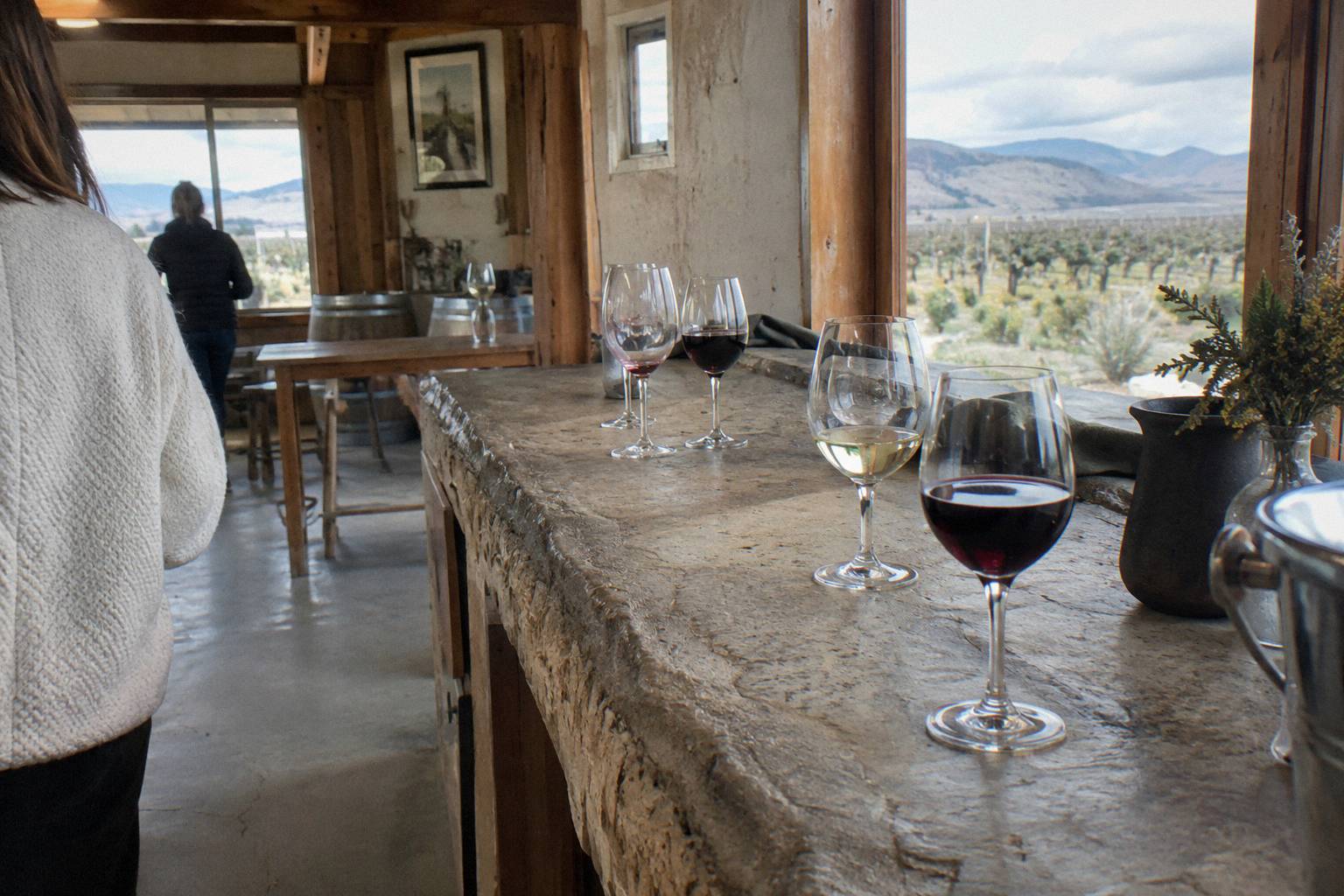
The Full-Day Wine Tour With Lunch booking page is unusually specific about what a day in the valley pours, which makes it a useful free preview of the region even if you never book that particular tour. At Torlesse it lists aromatic whites such as Gewurztraminer and Riesling, Pinot Noir, Chardonnay, Verdelho and port-style wines; at Waipara Springs it lists dry Riesling, Pinot Gris, Chardonnay and Pinot Noir, with an on-site restaurant. That single paragraph, read before any tour, tells you the region's practical tasting menu: two aromatic whites, two still whites, one red, and the occasional fortified surprise.
| Style | Where the mention comes from | What to ask a guide or cellar door |
|---|---|---|
| Pinot Noir | New Zealand Winegrowers; hillside limestone clays | Ask for a hillside-grown pour and what the vintage did |
| Chardonnay | New Zealand Winegrowers; both tour booking pages | Ask how it was fermented, still versus barrel-influenced |
| Riesling | New Zealand Winegrowers, prominent in the Waipara Valley | Ask for a dry example, the style listed at Waipara Springs |
| Gewurztraminer and Pinot Gris | Full-Day Wine Tour booking page, at Torlesse and Waipara Springs | Ask for the aromatic flight alongside the Riesling |
| Verdelho and port-style wines | Full-Day Wine Tour booking page, at Torlesse | Ask whether the fortified pour is on the day's list |
The Cheeky Kea Tours Full-Day Wine Tour With Lunch, 4.5 from 78 reviews from NZ$129 per person, is the day that visits all three of the cellar doors those style lists come from, and its platter lunch comes complimentary at Waipara Springs. Extra food and drinks beyond the listed inclusions are not included.
No tour can promise a given pour on a given day, and the region's own guidance to tour operators is that stops run "whichever are open and available". The right move is to treat the style table above as your shopping list and hand it to the guide at the start of the day. On a private tour that request shapes the route; on a shared day it shapes what the host pours at each stop. Either way, the person who arrives knowing the region's five styles gets more from the same tasting bench.
Why Is Riesling So Prominent In The Waipara Valley?
New Zealand Winegrowers names Riesling as the prominent variety of the Waipara Valley specifically, planted on the river gravels of the valley floor where the cool, dry climate and long growing season preserve its acidity. The booking pages for valley tours consistently list Riesling at their stops, in both dry and aromatic company, which reflects how central the variety is to the valley's identity. This is the region's clearest single answer to the question "what should I taste here?"
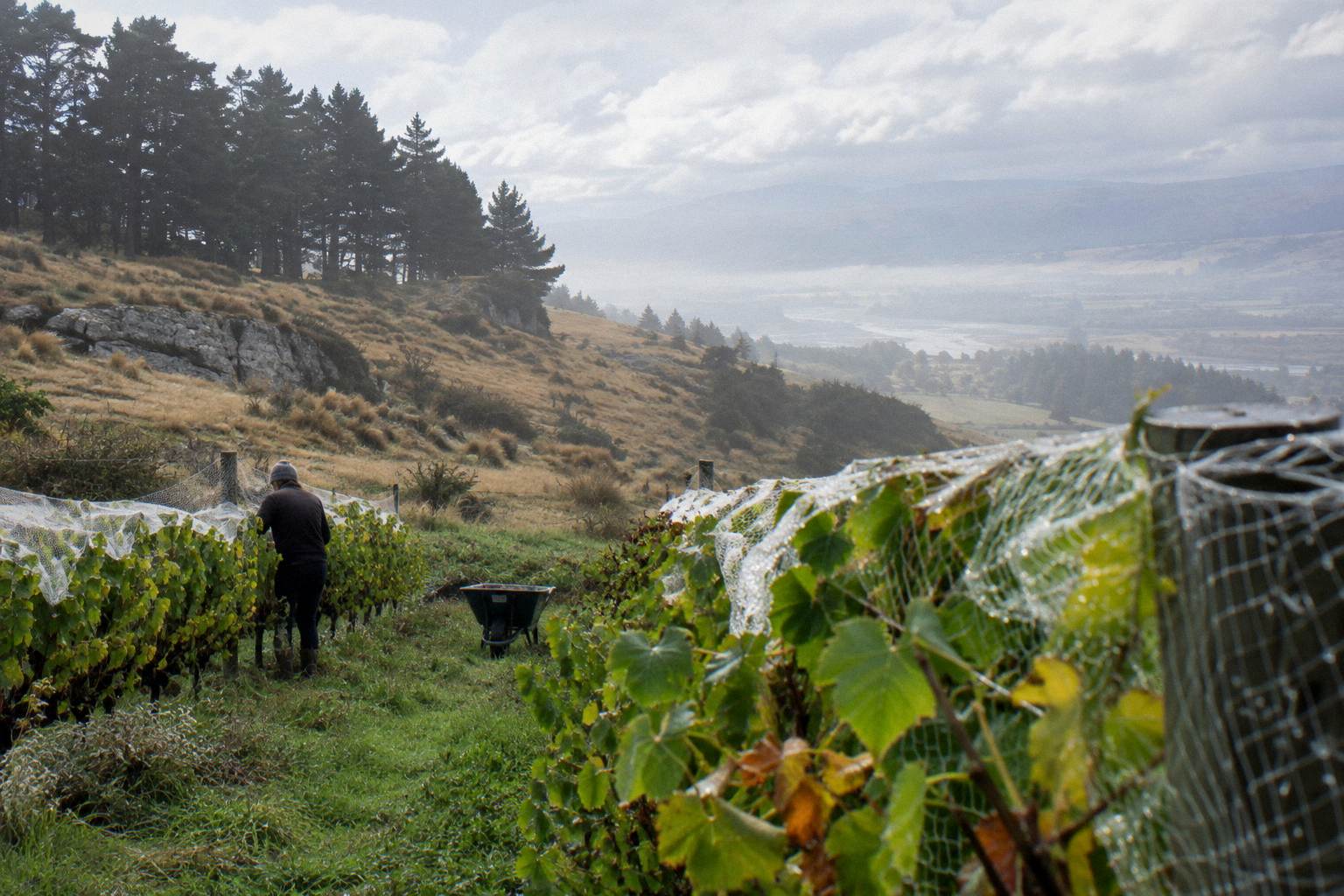
The soil story explains the rest. River gravels, the free-draining deposits New Zealand Winegrowers describes, warm early in spring and suit the aromatic varieties the valley is known for, and Riesling sits at the head of that list. The regional profile pairs the valley's "gravels and clays" with its Rieslings in the same breath. A visitor with one afternoon and no other knowledge would do well to simply ask for the valley's Riesling at each stop and compare: the same variety, poured by family producers working within a few kilometres of each other, shows more spread than most people expect.
Dry versus off-dry is the follow-up question worth asking out loud. The Full-Day Wine Tour booking page lists "dry Riesling" at Waipara Springs, and Torlesse lists Riesling among its aromatic whites; the same variety covers a sweetness range across the valley's producers. A cellar door host will usually pour both ends of that range if you ask, and on a guided day the driver-guide knows which stop pours which style, another small advantage of a guided route over a self-planned one. For the self-drive comparison, the site's piece on driving yourself between Waipara wineries sets out the trade-offs honestly.
How Far Is Waipara From Christchurch?
The regional body and operators describe the Waipara Valley as about an hour's drive north of Christchurch; the Full-Day Wine Tour booking page says less than an hour, Giles Tours' own site says a scenic 50 minutes from central Christchurch, and Black Estate's own site says 40 minutes north of Christchurch airport. No official kilometre figure exists in any of the regional sources, so drive times, each attributed to who stated it, are the honest measure. What the spread shows is that "Waipara" is a valley, not a point: cellar doors nearest the highway turn up sooner than those deeper in the hills.
| Journey | Who states the time | Notes for planning |
|---|---|---|
| Christchurch to the Waipara Valley | Regional body and operators, about an hour | The figure most tour days are built around |
| Central Christchurch to the valley | Giles Tours' own site, a scenic 50 minutes | Matches a private tour's direct hotel pickup |
| To the valley, tour framing | Full-Day Wine Tour booking page, less than an hour | Small-group days with central pickup points |
| Christchurch airport to Black Estate | Black Estate's own site, 40 minutes north | The nearest of the well-known cellar doors to the city |
| Lyttelton cruise port to the city centre | ChristchurchNZ, about 15 to 20 minutes | Why cruise shore excursions reach the valley at all |
That last row explains a whole category of tour. Lyttelton is the cruise port for Christchurch, and a 15 to 20 minute transfer into the city puts a wine region about an hour north within reach of a shore day, which is why dedicated Lyttelton shore excursion wine tours sit alongside the other options. Akaroa is a separate cruise port and not the one these timings describe. The drive itself is part of the region's appeal: the route leaves the city across the northern plains and the hills close in as the vineyards start, so keep an eye out the window as you go.
For anyone weighing the region against an overnight stay, the guide to where to stay in Waipara for a wine weekend covers the accommodation side, including the on-site lodging at one well-known cellar door.
Who Owns The Vineyards, And Why Does It Change The Tasting?
The regional body describes the 90+ vineyards as mostly "independently owned by a close-knit community of local families", which in practice means tastings poured by owners, winemakers and their relatives rather than hired staff. That ownership pattern is the single biggest difference between a Waipara cellar door and one in a high-volume region, and it is the reason a guided day here feels personal at almost every stop. It also explains why the region's experiences skew small-scale and flexible.
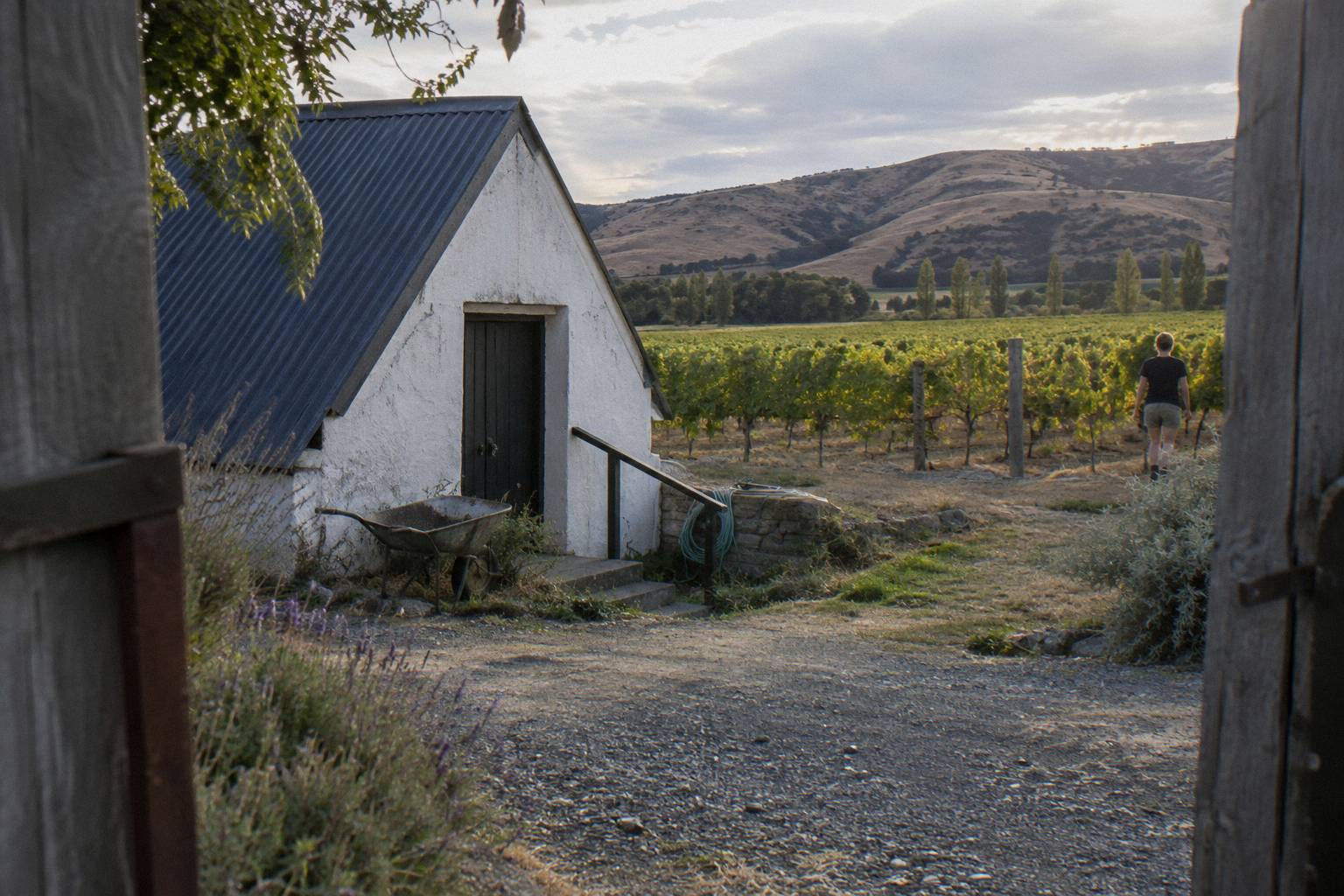
The clearest example is a winery experience rather than a driving tour. Georges Road Wines runs a Winery and Vineyard Experience of about 1.5 to 2 hours led by the owner-winemaker, with a vineyard and cellar walk and an antipasto platter; guests travel to Waipara themselves, since no transport is included. No rating is listed yet, and you can check the booking page for the current price; the draw is access to the person who makes the wine, which is exactly what family ownership buys you here.
Family ownership also shapes the private options. Giles Tours, an operator whose own site describes 3 boutique wineries and a maximum of 6 guests per vehicle, runs a private Waipara Wine Experience rated 4.9 from 163 reviews, with the price shown on the booking page when you pick a date. Check on the booking page what tastings and lunch cover, as the wording differs between listings, and the cancellation window differs too, so confirm it on the booking page before paying.
How Does The Region's Character Shape A Guided Wine Day?
A Waipara guided day works because the region is small, family-owned and close: shared tours visit three cellar doors in 5.5 to 6 hours, private tours flex the route toward hillside limestone or valley-floor gravels, and the style spread (Pinot Noir, Chardonnay, Riesling and other aromatics) arrives without long drives between stops. The region's compactness, not any single winery, is what a good tour sells. Understanding the soil and climate logic above turns a passive tasting into a comparison you can actually follow.
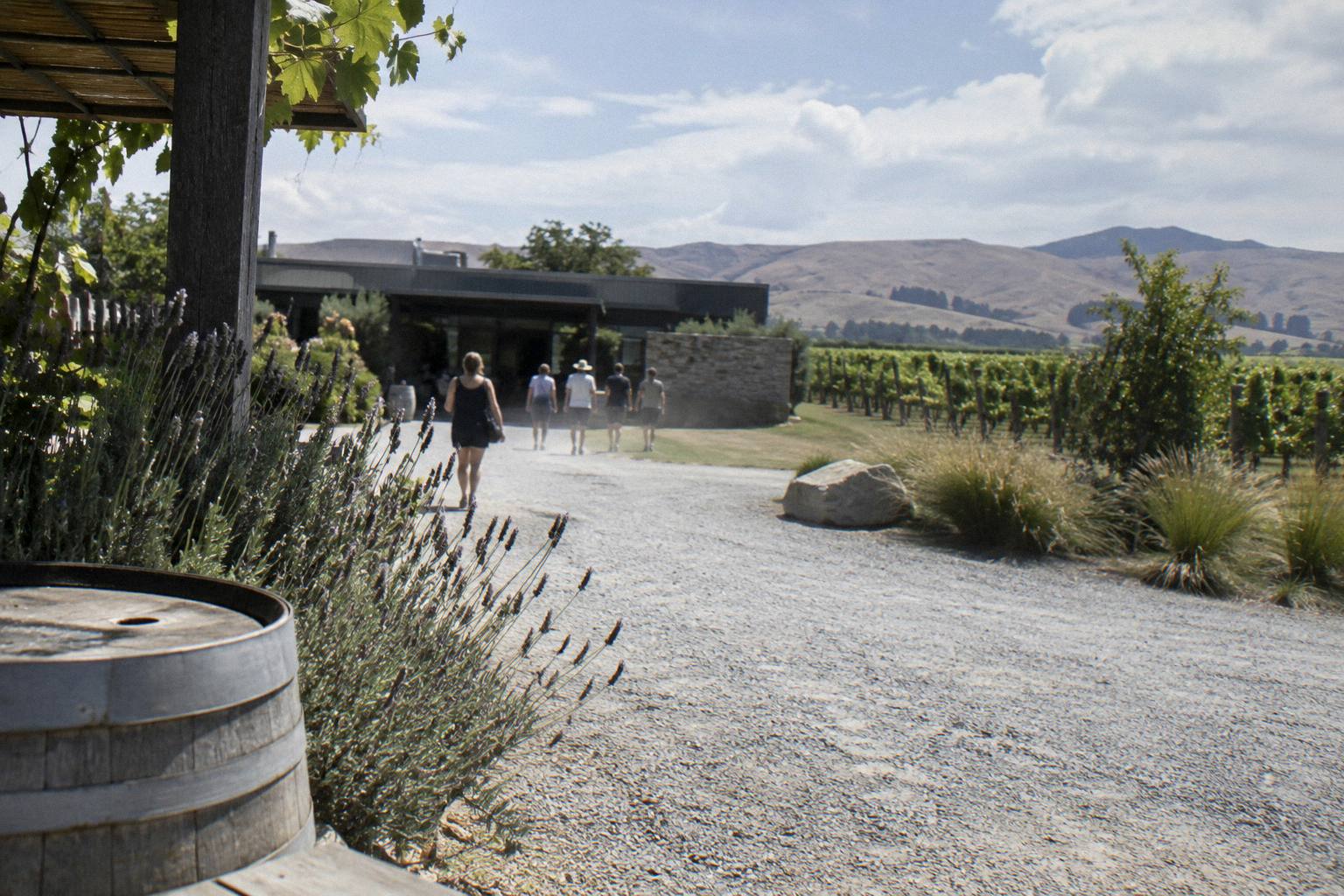
Consider how the two shared small-group days differ. The Waipara Wine Trail With Lunch, 4.5 from 514 reviews, from NZ$199 per person, runs about 5.5 hours, tastes at least 15 wines at three of North Canterbury's boutique vineyards with the booking page listing a choice of stops, and includes a platter lunch; pickup is at the Central City Tram Stop on Cathedral Square, roughly 11:30 am to 5 pm. The Full-Day Wine Tour With Lunch, 4.5 from 78 reviews, from NZ$129 per person, runs 6 hours from 16 central pickup points and includes the platter lunch at Waipara Springs, bottled water, Kiwi snacks, WiFi and USB charging. Plain figures, different inclusions: one leans on tasting breadth, the other on pickup convenience and onboard comfort. Neither rating outranks the other here, they are simply pools of different sizes shown with their review counts.
| Day format | What the region's character adds | What to check on the booking page |
|---|---|---|
| Shared small-group day | Three family cellar doors in one loop, 15+ wines possible, commentary on soil and history | Which wineries the list names, and that stops depend on availability |
| Private tour up to 6 | Route can follow your style list, gravels for aromatics or hillsides for Pinot Noir | What tastings and lunch actually cover, and the cancellation window |
| Winery experience, self-drive to the door | Time with an owner-winemaker, vineyard and cellar walk | Transport is not included; the fee is on the live listing |
| Cruise shore excursion from Lyttelton | Port pickup plus a compressed valley loop inside a shore day | How return to the ship is handled; ask the operator directly |
The site's broader comparison of half-day versus full-day Waipara winery trips works through timing, and the question of what a winery lunch adds to the day covers the midday stop. This site, Waipara Valley Wine Tours, exists to keep those decisions tied back to the region's actual facts rather than generic wine-country advice.
What Are The Age, Tasting And Driving Rules In The Region?
The purchase age for alcohol on licensed premises in New Zealand is 18, tour booking pages in the valley state a minimum tasting age of 18 with photo ID possibly requested, and drink-driving limits are 250 micrograms of alcohol per litre of breath or 50mg per 100ml of blood for drivers 20 and over, with a zero limit under 20. Those three rules frame every wine day, and none of them is negotiable at a cellar door. A guided tour resolves the last one by putting a professional driver behind the wheel.
The age rule shows up on the booking pages directly. Both the Waipara Wine Trail With Lunch and the Full-Day Wine Tour With Lunch state a minimum age of 18, and the operator listing for the wine trail says plainly that you must be 18 to consume alcohol, with photo ID possibly requested. Under-18 companions on a family day should check the listing before booking, since the wording is per-tour rather than regional.
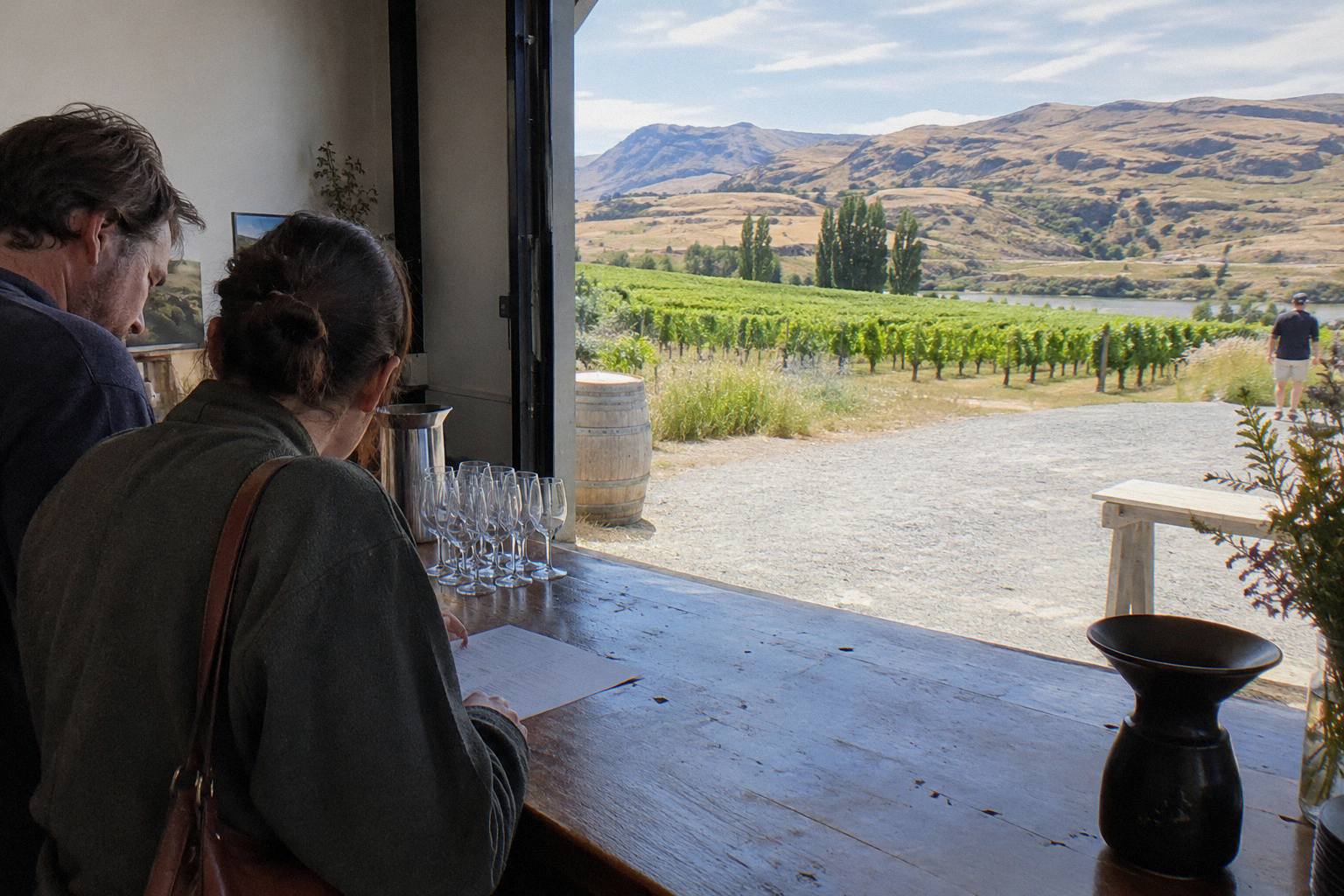
The driving rules are set nationally and stated on New Zealand Police's road safety pages. Nothing about a tasting keeps a driver under the limit, and no honest article should claim otherwise. The legal framework is the Sale and Supply of Alcohol Act 2012, on New Zealand legislation, which sets the licensed-premises purchase age. For anyone weighing the numbers, the site's article on whether you can drive yourself between Waipara wineries takes the question head-on; the short version is that a guided day removes it entirely, and the region's compactness means the safe options are cheap relative to the risk.
Common Questions About The Waipara Wine Region
How Many Vineyards Are In The Waipara Wine Region?
The regional body's own count is 90+ vineyards, most independently owned by local families. New Zealand Winegrowers puts all of North Canterbury at about 3% of New Zealand's vineyard area. No winery count is published, so 90+ vineyards is the only honest figure.
What Wines Is The Waipara Region Known For?
Pinot Noir, Chardonnay and fine aromatic wines per New Zealand Winegrowers, with Riesling prominent in the Waipara Valley specifically. Tour booking pages in the valley also list Gewurztraminer, Pinot Gris, Verdelho and port-style wines among the pours.
Why Does Limestone Matter For Waipara Wines?
Limestone-derived clays on the hillsides suit Pinot Noir, while river gravels on the valley floor suit aromatic varieties. New Zealand Winegrowers and the regional body both describe this two-soil pattern for the Waipara and Waikari valleys.
How Far Is The Waipara Valley From Christchurch?
About an hour's drive north of Christchurch per the regional body and operators; Giles Tours' own site says a scenic 50 minutes from central Christchurch, and Black Estate's own site says 40 minutes north of the airport. No official kilometre figure is published.
Can You Visit Waipara Wineries On A Cruise Stop At Lyttelton?
Yes. Lyttelton port is about 15 to 20 minutes from the Christchurch city centre, which puts the valley's wine region within reach of a shore day, and dedicated shore excursion wine tours are among the options. Ask the operator how return to the ship is handled before booking.
Do You Need To Be 18 For A Waipara Wine Tasting?
Yes. The purchase age on licensed premises is 18 under the Sale and Supply of Alcohol Act 2012, and the valley's tour booking pages state a minimum tasting age of 18, with photo ID possibly requested.